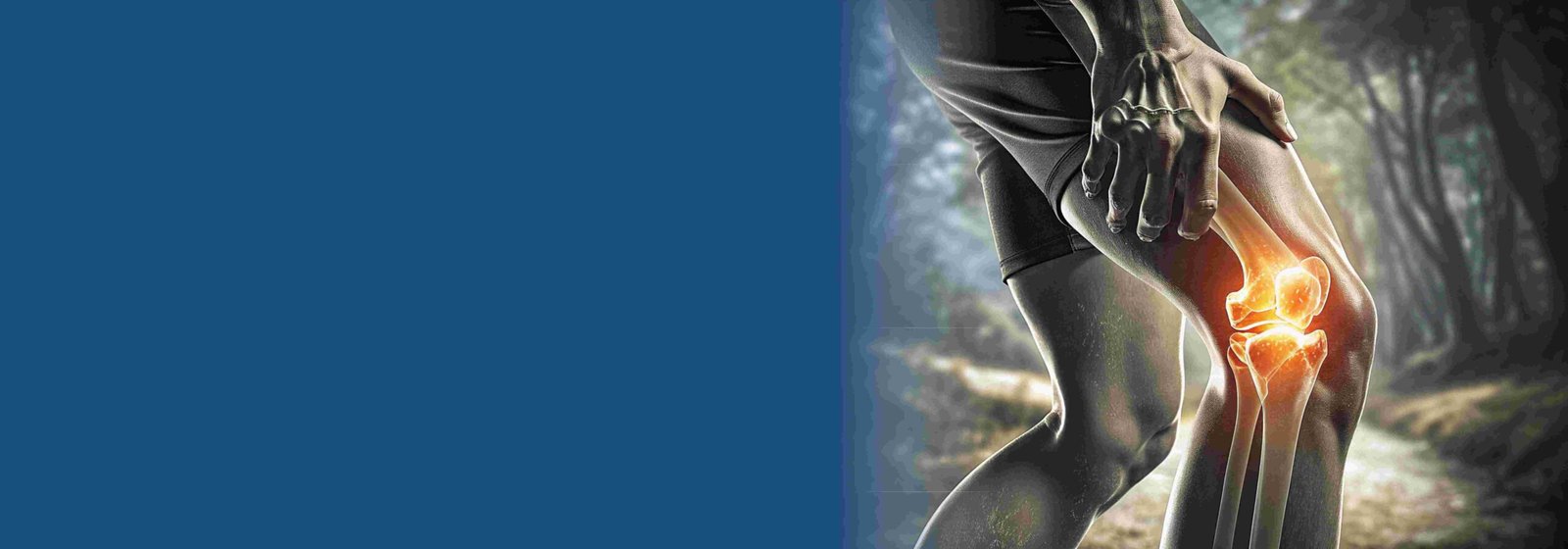
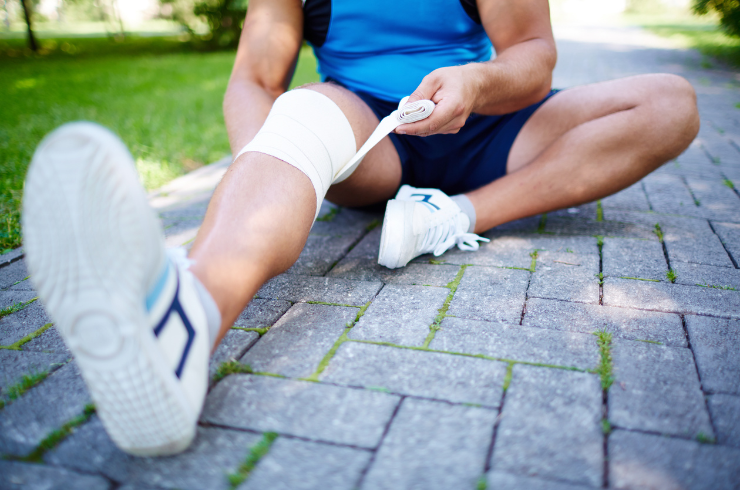
Sports injury surgery refers to surgical procedures used to treat injuries that affect bones, joints, ligaments, tendons, cartilage, and other structures involved in movement and athletic performance.
Some sports injuries can be successfully managed with rest, physiotherapy, medication, and activity modification. However, surgery may be considered when there is significant structural damage, persistent instability, or when non-surgical treatment does not restore adequate function.
The primary goals of sports injury surgery are to address the underlying injury, restore joint stability and function, and support a safe return to physical activity.
Not every sports injury requires surgery. The appropriate treatment depends on the type and severity of the injury, the affected structure, activity level, and response to conservative treatment.
Surgery may be considered when:
A detailed assessment helps determine whether surgery is appropriate for the individual athlete.
Sports injuries can affect different parts of the musculoskeletal system. Depending on the injury, surgical treatment may be considered for:
Ligament injuries can cause instability, particularly in the knee. Significant tears may require reconstruction when the joint remains unstable or when the patient has high functional or sporting demands.
The meniscus helps distribute load and support movement within the knee. Certain meniscus tears may be treated surgically when they cause persistent pain, locking, or other mechanical symptoms.
Damage to joint cartilage can result from acute trauma or repetitive stress. Treatment depends on the location, size, and severity of the cartilage injury.
Recurrent shoulder dislocation or instability can affect athletes involved in contact, overhead, or throwing activities. Surgical stabilisation may be considered when instability persists.
Some severe muscle or tendon injuries may require surgical treatment, particularly when there is significant structural disruption or loss of function.
Accurate diagnosis is an important part of sports injury treatment. The assessment begins with understanding how the injury occurred, the symptoms experienced, previous injuries, and the patient’s sporting or physical activity.
The physical examination may evaluate:
Imaging may be recommended when necessary. X-rays can help assess bone injuries, while MRI may provide detailed information about ligaments, cartilage, menisci, tendons, and other soft tissues.
Yes. Many sports injuries can be managed without an operation. Depending on the injury, treatment may involve rest, activity modification, medication, physiotherapy, strengthening, and a structured rehabilitation programme.
Surgery is considered when the injury is unlikely to recover adequately with conservative treatment, when significant instability or structural damage is present, or when the patient’s functional requirements make surgical treatment appropriate.
The surgical technique depends on the specific injury and structure involved.
Where appropriate, minimally invasive arthroscopic techniques may be used to examine and treat problems inside a joint. Other injuries may require reconstruction, repair, or fixation through an appropriate surgical approach.
The procedure is planned according to the patient’s anatomy, injury pattern, activity level, and long-term functional goals.
Arthroscopy allows a surgeon to examine structures within a joint using a small camera inserted through a small incision. Specialised instruments can then be used to treat certain injuries through additional small incisions.
Depending on the condition, arthroscopic surgery may be used for procedures involving the knee or shoulder, including selected meniscus, cartilage, ligament, and instability-related problems.
The suitability of arthroscopy depends on the specific injury and should be determined following a clinical assessment.
Recovery after sports injury surgery varies considerably depending on the type of injury, procedure performed, structures involved, and the patient’s physical condition.
The initial phase generally focuses on protecting the treated area and controlling pain and swelling. Rehabilitation then progresses gradually as healing allows.
Recovery may include:
The rehabilitation programme is adjusted according to the patient’s progress and surgical procedure.
Surgery is only one part of the recovery process. Structured rehabilitation plays an important role in helping athletes regain strength, movement, stability, and confidence.
A progressive return-to-sport programme may move through several stages:
Early Recovery → Mobility → Strengthening → Stability & Balance → Functional Training → Sport-Specific Training → Return to Sport
Progression should be based on recovery milestones rather than simply the number of weeks since surgery.
There is no universal timeline for returning to sports after sports injury surgery.
The recovery period depends on:
Athletes involved in high-impact, contact, or pivoting sports may require additional rehabilitation before returning to full competition.
Returning to sport too quickly can place unnecessary stress on healing tissues. A gradual return allows the athlete to rebuild physical capacity and movement confidence.
Before returning to demanding sports, rehabilitation may assess:
The return-to-sport decision should be individualised according to the injury and recovery.
Sports injury surgery is not limited to professional athletes. Recreational runners, gym-goers, amateur players, and other active individuals can also experience injuries that require specialist treatment.
The treatment plan should consider the patient’s actual activity requirements, whether that involves competitive sport, recreational exercise, physically demanding work, or everyday movement.
After treatment, rehabilitation should not only focus on returning to previous activity but also on improving movement quality and physical capacity.
Depending on the injury, prevention strategies may include:
These strategies can support long-term joint and musculoskeletal health.
The injury mechanism, symptoms, previous injuries, activity level, and functional limitations are assessed.
Joint stability, movement, strength, swelling, and other relevant findings are evaluated.
X-rays, MRI, or other investigations may be recommended when required to understand the injury.
The suitability of conservative treatment or surgery is discussed based on the diagnosis and individual goals.
When surgery is indicated, the appropriate repair, reconstruction, arthroscopic procedure, or fixation is performed.
A structured rehabilitation programme helps progressively restore movement, strength, stability, and function.
Daily activities, exercise, training, and sports are gradually resumed according to individual recovery milestones.
Sports injuries often involve structures that are important for stability, movement, and performance. Treatment therefore needs to consider more than simply reducing pain.
A sports-focused approach considers the injury, biomechanics, physical demands, activity level, and long-term functional goals. Dr. Mudit Nemani combines surgical treatment with rehabilitation planning aimed at helping athletes and active individuals work towards a safe and functional return to activity.
Specialised Surgeries for Athletes & Active Individuals
Sports injuries often require precision surgery to restore optimal performance. Dr. Mudit Nemani performs advanced sports surgeries for athletes of all levels.
Meniscus tears
Ligament ruptures
Shoulder instability
Cartilage injuries
Muscle or tendon tears
Minimally invasive arthroscopy
Tissue-preserving techniques
Anatomical reconstruction
Accelerated return-to-sport protocol
Faster healing
Improved joint mechanics
Lower risk of future injury
Safe return to competitive activity
With deep knowledge of sports biomechanics, Dr. Nemani ensures every procedure aligns with the athlete’s performance goals and long-term joint health.
Sports injury surgery involves surgical treatment of injuries affecting joints, ligaments, tendons, cartilage, muscles, and bones when an operation is considered necessary to restore function or stability.
No. Many sports injuries can improve with appropriate rest, physiotherapy, strengthening, and activity modification. Surgery is considered for selected injuries based on their severity and the patient’s functional requirements.
Common examples include significant ligament tears, certain meniscus injuries, cartilage damage, recurrent shoulder instability, and selected severe muscle or tendon injuries.
Yes. Arthroscopy can be used for selected knee and shoulder sports injuries, including certain meniscus, cartilage, ligament, and instability-related conditions.
Recovery varies according to the injury and surgical procedure. Returning to basic activities may occur earlier than returning to high-impact or competitive sports.
Rehabilitation is an important part of recovery for many sports injury procedures. It helps restore movement, strength, stability, coordination, and functional ability.
Return to sports depends on the injury, procedure, healing, strength, stability, and completion of appropriate rehabilitation milestones. A personalised return-to-sport plan is generally recommended.
Not every sports injury can be prevented, but appropriate conditioning, strengthening, warm-up, recovery, gradual training progression, and good movement mechanics may help reduce injury risk.
A sports injury can affect more than your ability to participate in a particular activity. Persistent instability, pain, weakness, or restricted movement may affect long-term joint function if the underlying problem is not appropriately assessed.
If you have sustained a sports injury that is affecting your movement or preventing you from returning to your desired activity, Dr. Mudit Nemani can evaluate the injury and recommend an appropriate treatment and rehabilitation approach.
 +91-8961265236
 nemani.mudit@gmail.com
 Bidhannagar, Kolkata, West Bengal