 +91-8961265236
 nemani.mudit@gmail.com
 Bidhannagar, Kolkata, West Bengal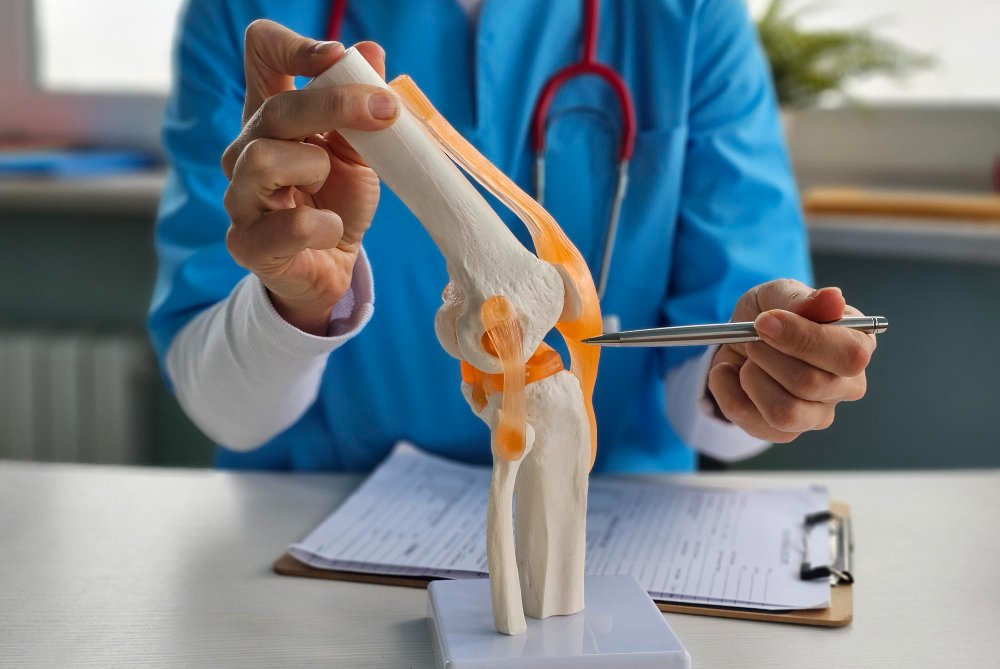
What Is a Meniscus Tear?
A meniscus tear is a common knee injury. The meniscus is a piece of cartilage in your knee. It acts like a cushion between your thigh bone and shin bone. When you twist or turn your knee suddenly, the meniscus can tear. This injury often affects athletes, but anyone can get it. In fact, a meniscus tear can happen during sports or even simple daily activities. Because of this, both athletes and weekend warriors need to know about meniscus tears.
Common Symptoms of a Meniscus Tear
After a meniscus tear, you may notice several symptoms. Sometimes, the pain is mild at first. However, it can get worse with activity. Common signs include:
- Pain in the knee, especially when twisting or rotating
- Swelling or stiffness
- A popping feeling at the time of injury
- Difficulty straightening the knee fully
- Knee locking or catching
- Feeling like your knee might give way
Because these symptoms can be similar to other knee injuries, it is important to get a proper diagnosis.
Causes and Risk Factors
Most meniscus tears happen during activities that involve sudden stops or turns. For example, sports like soccer, basketball, and football often cause this injury. However, you can also tear your meniscus by kneeling, squatting, or lifting something heavy. As people age, the meniscus becomes weaker. Therefore, older adults are at higher risk, even with minor movements. Other risk factors include:
- Previous knee injuries
- Weak thigh muscles
- Poor knee alignment
- Obesity, which puts extra stress on the knee
Because of these risks, both athletes and non-athletes should take care of their knees.
How Are Meniscus Tears Diagnosed?
Doctors use several steps to diagnose a meniscus tear. First, they ask about your symptoms and how the injury happened. Next, they examine your knee for swelling, tenderness, and range of motion. Often, doctors use special tests to check for a tear. In some cases, imaging tests like MRI scans help confirm the diagnosis. X-rays do not show the meniscus, but they can rule out bone problems. According to the CDC and orthopedic journals, early diagnosis helps prevent further damage.
Treatment Options for Meniscus Tears
Treatment depends on the size and location of the tear. It also depends on your age and activity level. Many meniscus tears heal without surgery. However, some severe tears may need an operation. Common treatment options include:
- Rest, Ice, Compression, Elevation (RICE): These steps help reduce pain and swelling.
- Physical therapy: Exercises can strengthen the knee and restore movement.
- Medications: Over-the-counter pain relievers can help manage discomfort.
- Surgery: In some cases, doctors repair or remove the torn part of the meniscus.
Because each case is different, your doctor will suggest the best treatment for you.
Recovery Tips and Lifestyle Guidance
Recovery from a meniscus tear takes time. However, following your doctor’s advice can speed up healing. Here are some tips for meniscus tear recovery:
- Follow your physical therapy plan closely
- Use crutches if your doctor recommends them
- Apply ice packs to reduce swelling
- Keep your knee elevated when resting
- Gradually return to normal activities
Because rushing back to sports can cause more harm, always listen to your body. If you feel pain, stop and rest. For athletes, a slow and steady return is best. Weekend warriors should also avoid high-impact activities until fully healed.
Prevention Strategies
While not all meniscus tears can be prevented, you can lower your risk. Here are some ways to protect your knees:
- Warm up before exercise or sports
- Strengthen your thigh and leg muscles
- Wear proper shoes for your activity
- Use correct techniques when lifting or playing sports
- Avoid sudden twists or turns when possible
- Maintain a healthy weight to reduce knee stress
Because prevention is easier than treatment, make these habits part of your routine. For more tips on how to prevent meniscus tears, talk to a healthcare provider.
Conclusion
In summary, a meniscus tear is a common knee injury in athletes and active people. However, anyone can be affected. Early diagnosis and proper treatment help ensure a full recovery. For the best results, follow your doctor’s advice and take steps to protect your knees. Consult an orthopedic specialist Dr. Mudit Nemani for personalized advice on meniscus tear treatment and prevention.