What is Knee Arthroscopy?
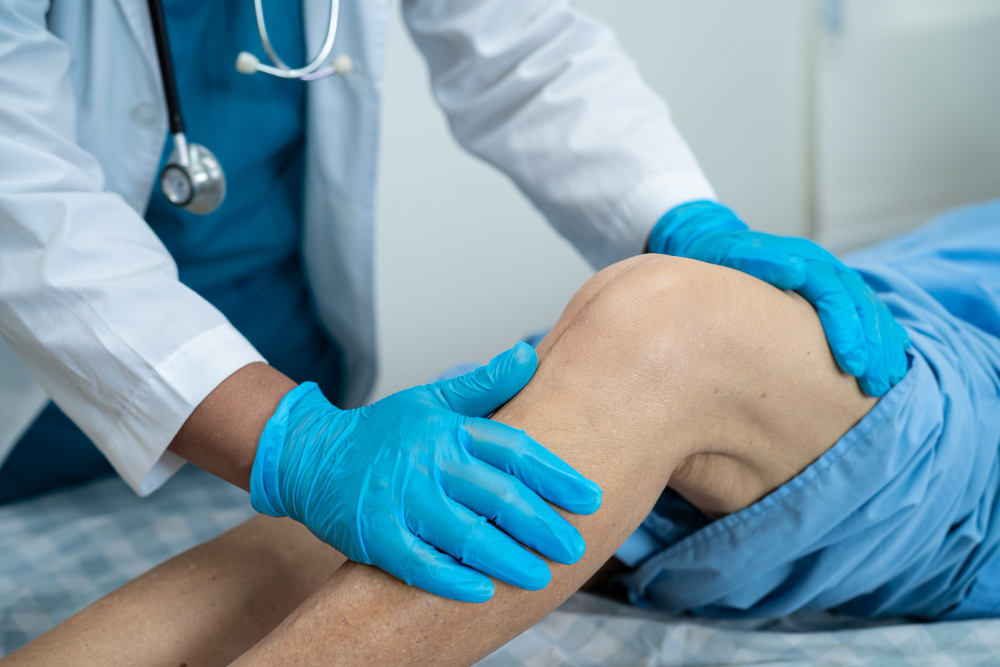
Knee arthroscopy is a type of minimally invasive knee surgery. Doctors use it to look inside your knee joint and treat problems. Instead of making a large cut, they use tiny incisions. Through these small openings, a thin camera and special tools help fix the knee. Because of this, knee arthroscopy often means less pain and a quicker recovery. Many people choose this arthroscopic knee procedure for knee pain relief. According to the American Academy of Orthopaedic Surgeons, it is one of the most common knee surgeries today.
How Does Knee Arthroscopy Work?
During knee arthroscopy, your doctor makes two or three tiny incisions around your knee. Through one cut, a small camera called an arthroscope goes inside. This camera sends pictures to a screen, so the doctor can see the joint clearly. Next, special tools go through the other incisions to repair or remove damaged tissue. Because the cuts are so small, there is less damage to healthy tissue. As a result, you may heal faster than with open surgery.
Common Conditions Treated with Knee Arthroscopy
Knee arthroscopy can help with many knee problems. Some of the most common conditions include:
For many people, this minimally invasive knee surgery brings quick knee pain relief.
Benefits of Knee Arthroscopy
Knee arthroscopy offers several advantages over traditional surgery. For example, the tiny incisions mean:
Because the arthroscopic knee procedure is less invasive, most people recover quickly. In fact, many patients can walk with help the same day.
What to Expect: Before, During, and After the Procedure
Before the Procedure
Your doctor will review your health and explain the steps. You may need to stop eating or drinking a few hours before surgery. Sometimes, you will have tests to check your knee and overall health.
During the Procedure
You will receive anesthesia, so you do not feel pain. The doctor makes tiny incisions and inserts the camera and tools. The surgery usually takes less than an hour.
After the Procedure
Most people go home the same day. You may need crutches for a short time. Your doctor will give you instructions for care and exercises. Swelling and mild pain are common but usually improve quickly.
Risks and Considerations
Although knee arthroscopy is safe, every surgery has some risks. These may include:
However, serious problems are rare. Your doctor will discuss your risks before the procedure. According to the CDC, most people recover without major issues.
Recovery Tips and Lifestyle Guidance
After knee arthroscopy, you can help your knee heal by following these tips:
With proper care, you may return to normal activities in a few weeks. However, always follow your doctor’s advice for the best results.
Prevention and Long-Term Knee Health
Even after a successful arthroscopic knee procedure, it is important to protect your knees. Here are some ways to keep your knees healthy:
By taking these steps, you can lower your risk of future knee pain and injuries.
In summary, knee arthroscopy uses tiny incisions to bring big relief for many knee problems. If you have knee pain that does not improve, consult an orthopedic specialist at Dr. Mudit Nemani to see if knee arthroscopy is right for you.