What Is Knee Arthroscopy?
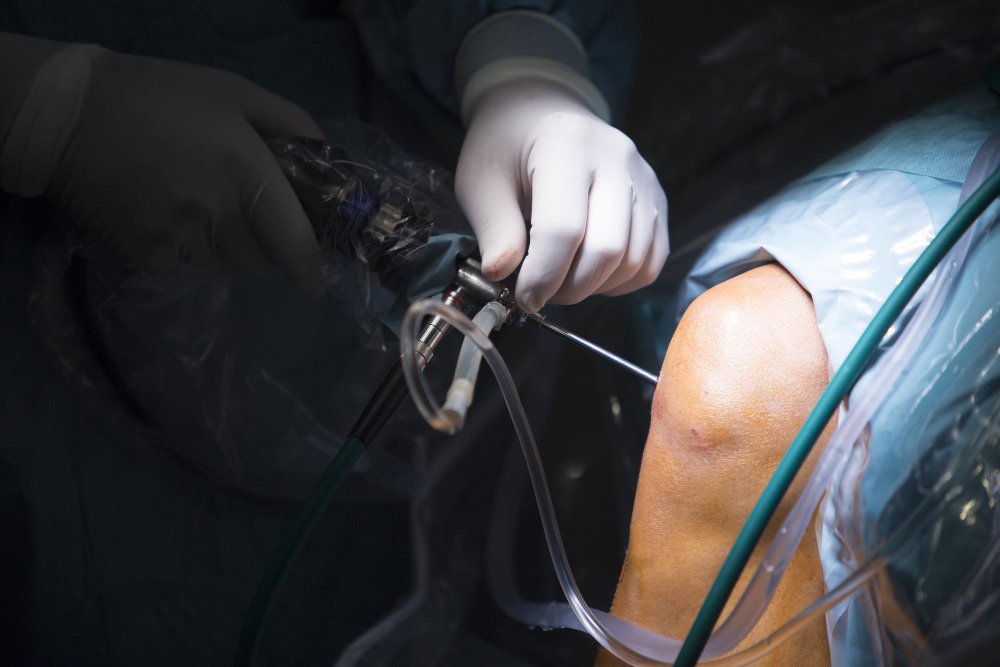
Knee arthroscopy is a type of minimally invasive knee surgery. Doctors use it to look inside your knee joint and treat problems. During this procedure, a small camera called an arthroscope is placed into your knee. Because the cuts are small, healing is often quicker than with open surgery. Many people choose knee arthroscopy for knee pain treatment and to fix joint issues.
Why Do People Need Knee Arthroscopy?
Often, doctors suggest knee arthroscopy when other treatments do not help. For example, if you have ongoing knee pain or swelling, this surgery may be an option. Sometimes, injuries from sports or accidents lead to problems that need this procedure. Additionally, knee arthroscopy can help find the cause of knee pain when other tests are unclear.
Symptoms and Conditions Treated with Knee Arthroscopy
Knee arthroscopy can treat many knee problems. Some common symptoms and conditions include:
Because it is less invasive, knee arthroscopy is often used for these issues.
How Is Knee Arthroscopy Performed?
Doctors follow a step-by-step process for knee arthroscopy. Here is what usually happens:
Most procedures take less than an hour. Often, you can go home the same day.
Benefits of Knee Arthroscopy
Knee arthroscopy offers several advantages over open surgery. For instance, the cuts are smaller, so there is less pain and scarring. Also, recovery is usually faster. Some key benefits include:
Because of these benefits, many people prefer this minimally invasive knee surgery.
Risks and Possible Complications
Although knee arthroscopy is safe, every surgery has risks. Some possible complications include:
However, most people recover without serious problems. The American Academy of Orthopaedic Surgeons notes that complications are uncommon.
Recovery Process and Aftercare Tips
After knee arthroscopy, recovery is usually quick. However, you should follow your doctor’s advice for the best results. Here are some tips for a smooth recovery:
Most people can return to work or school in a few days. However, full recovery may take several weeks, especially after major repairs.
Prevention and Lifestyle Guidance for Knee Health
Even after knee arthroscopy, it is important to protect your knees. For example, you can:
Because healthy habits can prevent future knee problems, make them part of your daily routine.
When to See a Doctor
If you have knee pain that does not improve, talk to a doctor. Sometimes, early treatment can prevent bigger problems. For those considering knee arthroscopy in your area, a specialist can explain your options.
Conclusion
Knee arthroscopy is a safe and effective way to treat many knee problems. Because it is minimally invasive, recovery is often quick. However, every person is different. Consult Dr. Mudit Nemani for personalized advice about knee arthroscopy.