
Joint replacement can help you move better and enjoy life again. Many people choose this surgery to reduce pain and improve movement. However, getting the most out of your joint replacement takes time and care. In this blog, you will find joint replacement recovery tips, safe walking advice, and long-term joint care ideas. You will also learn about climbing stairs after hip replacement and walking after knee replacement. Let’s explore how you can make the most of your new joint.
Benefits of Joint Replacement
Joint replacement offers many benefits. First, it can reduce pain that limits your daily life. Second, it can help you move more easily. As a result, you may find it easier to walk, climb stairs, and do daily tasks. According to the World Health Organization (WHO), joint replacement can improve your quality of life. In addition, it may help you stay active for years to come.
Safe Walking After Joint Replacement
After surgery, walking is important for recovery. However, you must walk safely to protect your new joint. For example, start with short walks and increase your distance slowly. Always use a walker or cane if your doctor suggests it. In addition, wear shoes with good support to avoid slips. Walking after knee replacement or hip replacement may feel strange at first, but it gets easier with practice.
Navigating Stairs: Tips and Precautions
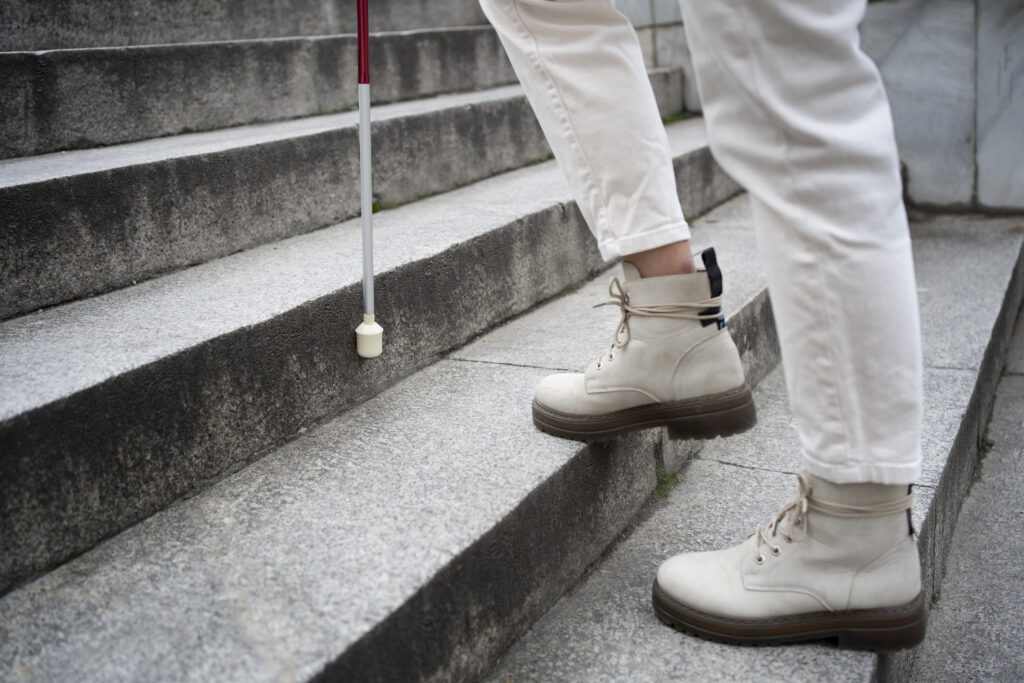
Climbing stairs after hip replacement or knee surgery can be tricky. Yet, with the right steps, you can do it safely. Always use a handrail for support. If possible, have someone nearby to help you. In the beginning, take one step at a time. For example, lead with your stronger leg when going up. When going down, lead with your weaker leg. Over time, you will gain more confidence.
Long-Term Care and Maintenance
Long-term joint care is key for lasting results. Even after you recover, you need to protect your new joint. For instance, keep your weight in a healthy range to reduce stress on the joint. In addition, follow your doctor’s advice about exercise. Regular check-ups help your doctor spot any problems early. According to the CDC, long-term care can help your joint last longer and work better.
Lifestyle Tips for Lasting Results
Healthy habits can help you enjoy your joint replacement for many years. For example, eat a balanced diet to support healing. Also, stay active but choose safe activities. Swimming and cycling are gentle on your joints. Moreover, avoid smoking and limit alcohol, as these can slow healing. With the right lifestyle, you can keep your joint strong and flexible.
Prevention of Complications
Preventing problems is important after joint replacement. For instance, watch for signs of infection, such as redness or fever. If you notice swelling or pain that does not go away, contact your doctor. In addition, avoid falls by keeping your home free of clutter. The CDC recommends regular hand washing to lower infection risk. By taking these steps, you can avoid most common issues.
In summary, joint replacement can give you a new lease on life. However, safe walking, careful stair use, and long-term joint care are vital. For the best results, follow these tips and stay in touch with your healthcare team. Consult your orthopedic specialist Dr. Mudit Nemani for personalized advice on joint replacement recovery and care.