
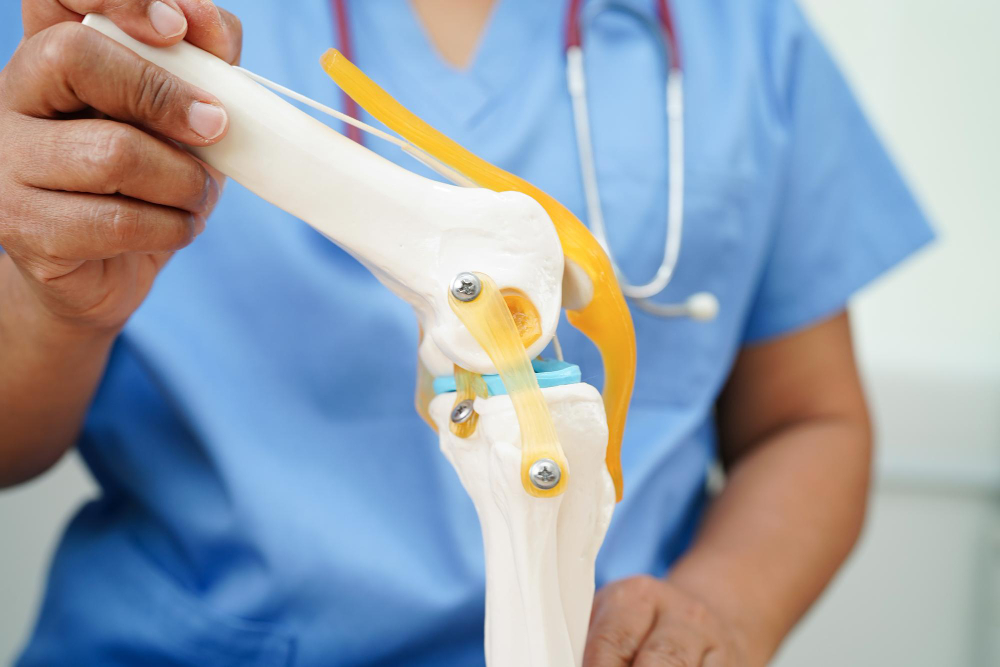
Joint pain can make daily life hard. Many people try pills or injections first. However, sometimes these treatments stop working. When this happens, joint replacement may be the next step. In this blog, we will explain when it’s time to consider joint replacement, what to expect, and how to prepare for a better life.
Signs and Symptoms Indicating Joint Replacement May Be Needed
Not all joint pain means you need surgery. Still, some signs suggest it may be time to think about joint replacement. For example, you may notice:
If you have these symptoms, it may be time to talk to an orthopedic specialist. Early action can help prevent more damage.
Why Pills and Injections May No Longer Be Enough
At first, doctors often suggest pills or injections for joint pain. These treatments can help reduce swelling and pain. However, over time, they may stop working. For instance, the joint may become too damaged. When this happens, medicine cannot fix the problem. Instead, it only covers up the pain for a short time. According to the CDC, severe arthritis or injury can lead to joint damage that does not heal on its own. In these cases, surgery may be the best option for long-term relief.
How Doctors Decide It’s Time for Joint Replacement
Doctors use several factors to decide if joint replacement is right for you. They will look at:
Sometimes, doctors may suggest waiting if other treatments might still help. But if your joint is badly damaged, surgery may be the best way to restore movement and reduce pain.
What to Expect from Joint Replacement Surgery
Joint replacement surgery removes the damaged parts of your joint. Then, the doctor replaces them with artificial parts made from metal, plastic, or ceramic. Most often, people need hip or knee replacements, but other joints can be replaced too. The surgery usually takes a few hours. You may stay in the hospital for a few days. Recovery starts right away with gentle movement. Your doctor and care team will guide you through each step.
Recovery and Lifestyle After Joint Replacement
After surgery, you will need time to heal. However, most people feel less pain and move better after recovery. Here are some tips for a smooth recovery:
With time, you can return to many activities you enjoy. Still, it is important to avoid high-impact sports or heavy lifting unless your doctor says it is safe.
Prevention and Early Intervention Tips
While not all joint problems can be prevented, you can lower your risk. For example, you can:
Early care can help you avoid surgery or delay it for many years.
If you think joint replacement may be right for you, consult Dr Mudit Nemani for personalized advice about joint replacement. Your doctor can help you decide the best path for your health and comfort.